
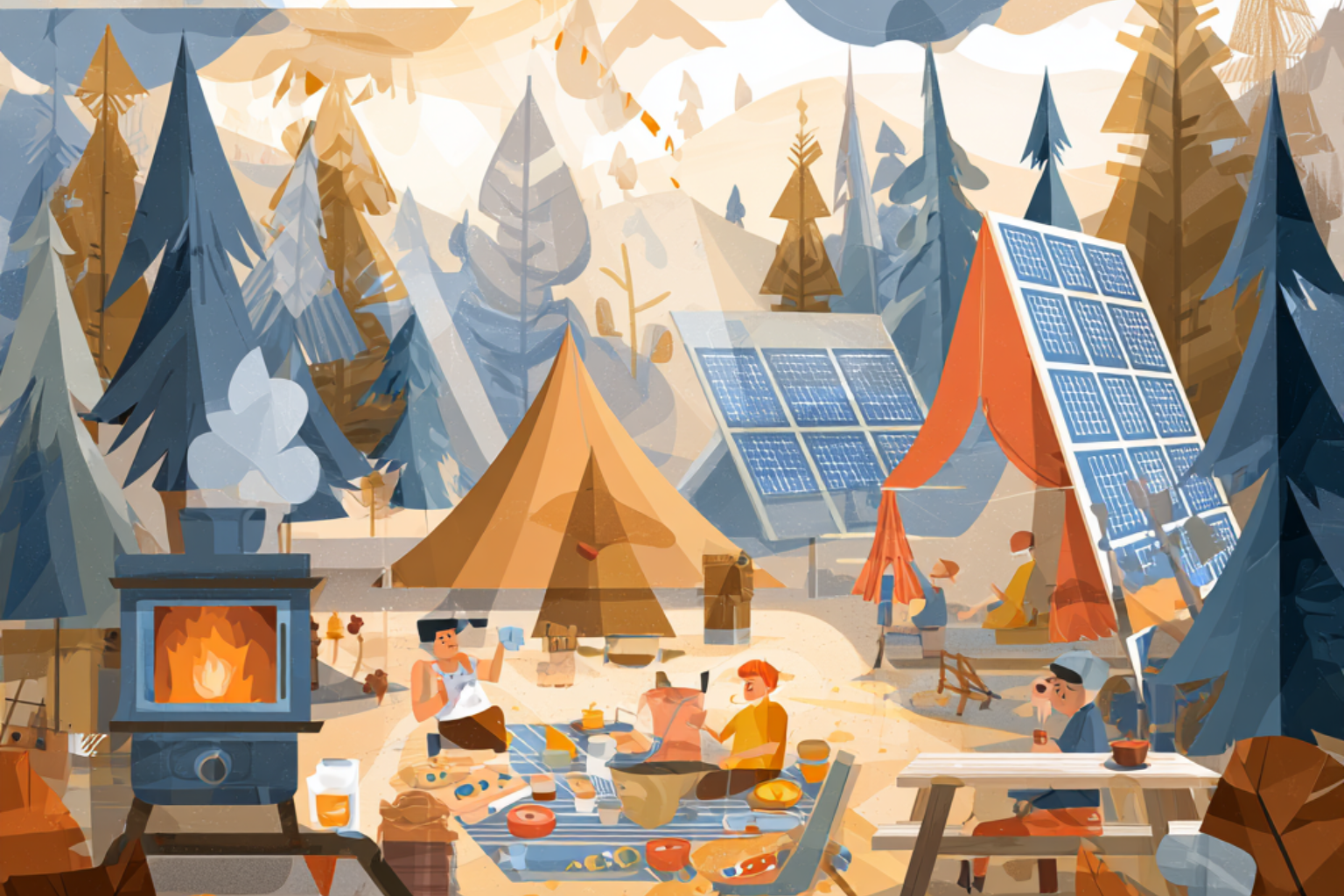
As the world faces growing environmental challenges, people are looking for smarter, greener alternatives in their everyday lives. One area where innovation is truly shining is in the kitchen—specifically with solar-powered ovens. By using nothing but sunlight, these eco-friendly cooking devices are revolutionizing how we prepare food, especially for outdoor enthusiasts, eco-conscious households, and off-grid adventurers.
In this article, we’ll explore the rise of solar ovens, their environmental benefits, and why they’re becoming an essential tool for anyone seeking sustainable living.

What Are Solar-Powered Ovens?
A solar oven (also called a solar cooker) is a device that harnesses the sun’s energy to cook food. Instead of relying on electricity, gas, or charcoal, solar ovens use reflective panels, dark cookware, and insulation to trap and concentrate sunlight into heat.
Depending on the design, many solar ovens can reach 250°F to 400°F (120°C – 200°C)—hot enough to bake bread, roast vegetables, or even slow-cook stews. This makes them a practical, eco-friendly alternative to traditional cooking methods.
Why Solar Ovens Are Gaining Popularity
Solar-powered ovens are no longer just a niche gadget for campers or survivalists. They’re becoming more mainstream as people seek sustainable options for daily living. Here are some of the reasons behind their rise:
- Climate change awareness – More families are seeking ways to reduce carbon emissions.
- Energy savings – Cooking with the sun reduces dependence on fossil fuels and electricity.
- Emergency preparedness – Solar ovens provide reliable cooking during power outages.
- Outdoor lifestyle growth – Camping, hiking, and RV travel are booming, making portable solar cooking essential.
Types of Solar Ovens
Not all solar ovens are built the same. Depending on your lifestyle, you may choose from several types:
- Box Solar Ovens – Simple, insulated box design with reflective lids. Great for baking and slow-cooking.
- Panel Cookers – Lightweight, foldable, and ideal for simmering meals outdoors.
- Parabolic Cookers – Use a curved reflective surface to concentrate sunlight for higher heat—perfect for frying or grilling.
- Tube Solar Ovens – Compact, fast, and efficient, these use vacuum tubes to trap heat even in cooler temperatures.
The Environmental Benefits of Solar Ovens
At the heart of their appeal, solar ovens are about eco-friendly cooking. Let’s break down why they’re better for the planet:
1. Reduce Carbon Emissions
Traditional cooking methods often rely on gas, charcoal, or electricity—all of which emit greenhouse gases. Solar ovens, however, are 100% renewable and emission-free.
2. Minimize Deforestation
In many parts of the world, firewood is still the primary cooking fuel. Solar ovens reduce the demand for wood, helping to combat deforestation and preserve ecosystems.
3. Conserve Energy Resources
By reducing reliance on fossil fuels and electricity, solar ovens contribute to energy conservation—a critical step toward sustainable living.
4. Lower Air Pollution
Cooking with charcoal or wood produces smoke and harmful particulates. Solar cooking eliminates indoor air pollution, which is a major health concern in many communities.
Practical Benefits Beyond Sustainability
While the eco-friendly benefits are impressive, solar ovens also offer practical advantages:
- Free fuel – Once you own a solar oven, the sun is your only energy source.
- Portable cooking – Perfect for camping, hiking, RVing, or picnics.
- Safe cooking – No flames, no toxic fumes, and lower fire risk.
- Healthier meals – Solar ovens cook at steady, moderate temperatures, helping retain nutrients in food.
- Emergency readiness – A reliable backup cooking method when electricity or gas is unavailable.
Everyday Uses for Solar Ovens
Solar ovens aren’t just for outdoor adventures. Here are some practical ways people are using them daily:
- Backyard cooking – Enjoy summer meals without turning on your indoor oven.
- Educational projects – Teach kids about renewable energy with hands-on learning.
- Off-grid living – Ideal for cabins, tiny homes, or eco-villages.
- Disaster relief – Provide sustainable cooking solutions in areas with limited infrastructure.
Challenges and Limitations
Of course, solar ovens aren’t perfect. Their performance depends on weather and sunlight availability. On cloudy days, cooking takes longer or may not be possible. They also require some planning, as meals may cook slower than on traditional stoves.
However, advancements in design—like vacuum tube ovens and hybrid models—are improving efficiency and making solar cooking possible even in less-than-ideal conditions.
The Future of Solar Cooking
As technology advances, we’re likely to see solar ovens become even more efficient and widely available. Features such as temperature gauges, improved insulation, and compact designs are making them user-friendly for everyday households.
In regions where fuel scarcity and deforestation are critical issues, solar ovens may play a vital role in sustainable food security. And for eco-conscious families in urban settings, they offer a practical way to cut energy bills while reducing environmental impact.
Tips for Getting Started with Solar Cooking
If you’re new to solar ovens, here are a few tips to maximize success:
- Use dark, lightweight cookware that absorbs heat efficiently.
- Cook during peak sunlight hours (10 AM – 3 PM).
- Align your oven to follow the sun’s path for consistent heating.
- Plan meals that benefit from slow, even cooking (soups, casseroles, bread).
- Start with simple recipes until you get the hang of solar cooking.
Conclusion
The rise of solar-powered ovens is more than just a trend—it’s part of a global movement toward sustainable living. By offering a clean, renewable, and practical way to cook, these devices help reduce carbon emissions, lower energy costs, and promote healthier lifestyles.
Whether you’re a camper, a prepper, an eco-conscious homeowner, or someone looking for greener alternatives, a solar oven can transform the way you cook and live. With the sun as your energy source, you can enjoy delicious meals while contributing to a brighter, more sustainable future.