
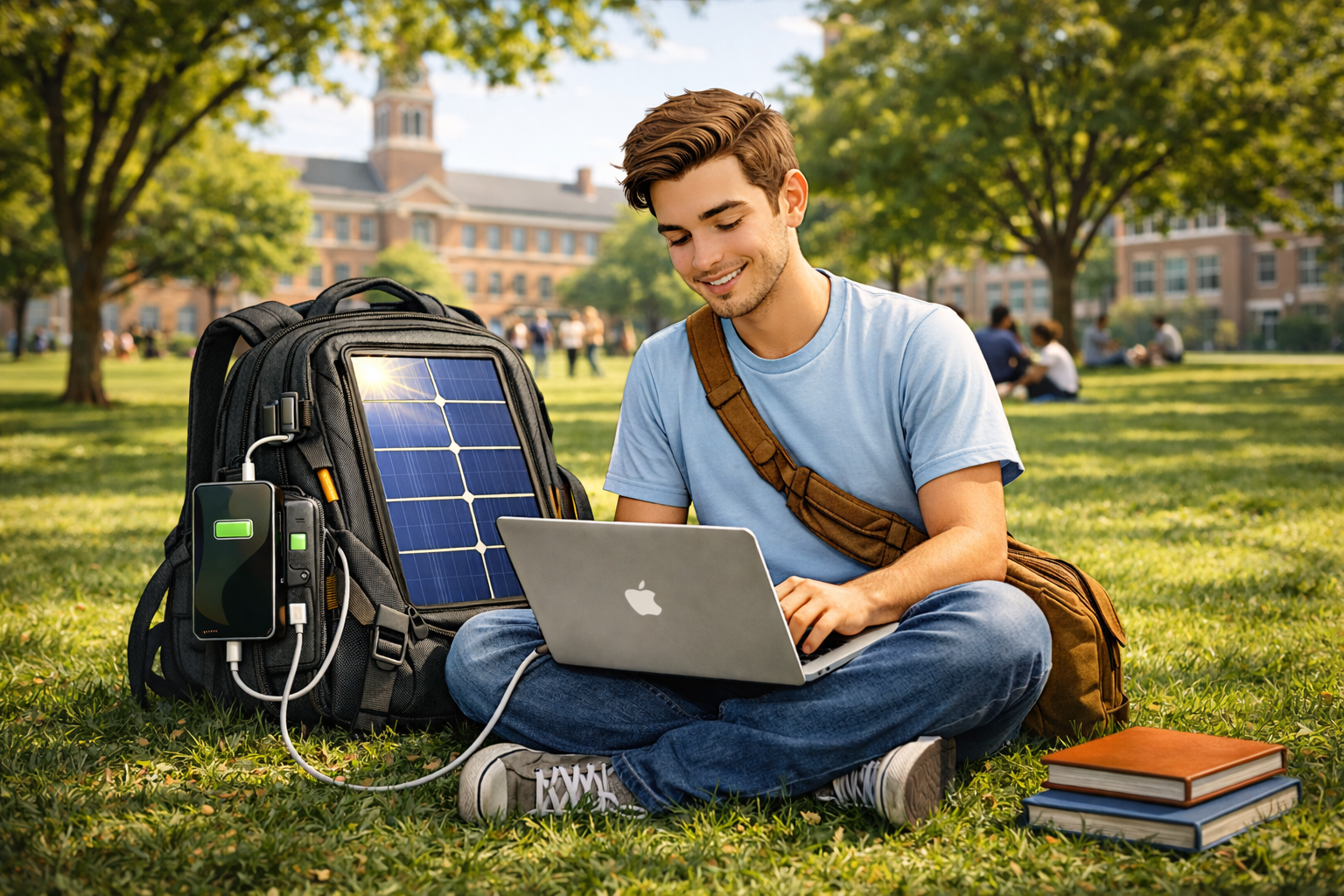
In today’s fast-paced, tech-driven world, staying connected is essential. Whether you’re exploring the outdoors, commuting to work, or traveling abroad, keeping your devices charged can be a real challenge. Enter the solar backpack—a smart, eco-friendly solution that blends storage with portable energy.
But what exactly is a solar backpack? How does it work? And why should you consider adding one to your gear collection? In this article, we’ll break it down step by step, explain how solar backpacks function, and share why they’re becoming a must-have for hikers, students, travelers, and digital nomads alike.
What Is a Solar Backpack?
A solar backpack is a specially designed backpack equipped with built-in solar panels that capture sunlight and convert it into electricity. This energy is then used to charge electronic devices like smartphones, tablets, cameras, and even laptops.
Unlike traditional backpacks, solar backpacks are more than just a way to carry your belongings—they’re mobile charging stations powered by renewable energy. With storage capacity, comfort, and style included, they’re practical for both outdoor adventures and everyday life.
How Do Solar Backpacks Work?
The technology behind solar backpacks is straightforward yet powerful. Here’s the step-by-step process:
- Solar Panels Collect Energy
The solar panels sewn onto the backpack absorb sunlight. Modern panels use photovoltaic (PV) cells to convert solar energy into direct current (DC) electricity. - Energy Storage in a Battery Pack
Most solar backpacks include a detachable or built-in power bank that stores the collected energy. This ensures you can charge devices even after the sun goes down. - Device Charging
The stored power is accessed via USB or USB-C ports. You simply plug in your device and start charging on the go.

Why Do You Need a Solar Backpack?
You may be wondering: Why not just carry a regular power bank? The key difference is that while power banks eventually run out of juice, solar backpacks recharge themselves. This makes them far more reliable, especially when you’re off-grid or traveling for extended periods.
Here are the main reasons a solar backpack is worth having:
1. Stay Powered Anywhere
No more worrying about your phone dying during a hike or while waiting at an airport. With a solar backpack, you have access to continuous, renewable charging power.
- Perfect for hikers navigating trails with GPS.
- Useful for travelers capturing photos without draining their batteries.
- Convenient for students or workers who spend long hours away from outlets.
2. Eco-Friendly and Sustainable
A solar backpack uses clean, renewable energy to keep your devices charged. By reducing your reliance on traditional electricity and disposable batteries, you lower your carbon footprint while saving money.
For eco-conscious consumers, solar backpacks are a great way to align technology use with sustainability.
3. Emergency Preparedness
A solar backpack isn’t just a convenience—it can be a lifesaver. During emergencies like power outages, natural disasters, or remote travel situations, having a reliable way to charge your phone is crucial.
Imagine being stuck with no outlets in sight—your solar backpack ensures you’re still connected.
4. Cost Savings
While solar backpacks may cost more upfront than traditional backpacks, they save you money long-term. You’ll spend less on disposable batteries, extra charging accessories, and pay-to-use charging stations at airports or public spaces.
5. Practical Design for Everyday Life
Solar backpacks aren’t just about the tech—they’re built with functionality in mind. Most come with:
- Laptop compartments
- Water-resistant materials
- Ergonomic straps for comfort
- Ample storage space for gear, books, or clothing
This makes them versatile enough to use daily for work, school, or travel.
Solar Backpacks in Action: Real-Life Uses
- Hiking & Camping: Power GPS devices, cameras, and lanterns off-grid.
- Traveling Abroad: Stay connected while exploring new cities.
- Digital Nomad Lifestyle: Work remotely without hunting for outlets.
- Students: Keep laptops and tablets charged throughout long days on campus.
- Emergency Situations: Provide reliable power during blackouts.
Features to Look for in a Solar Backpack
Not all solar backpacks are the same. Here’s what to consider when buying one:
- Solar Panel Efficiency: Look for panels with high conversion efficiency (18–25%) for faster charging.
- Battery Capacity: A built-in power bank with at least 10,000mAh ensures multiple device charges.
- Durability: Opt for weather-resistant and rugged materials, especially for outdoor use.
- Port Options: Check for USB and USB-C outputs for compatibility with your devices.
- Comfort & Storage: Make sure it has enough room for your essentials and padded straps for long wear.
Solar Backpacks vs. Traditional Backpacks
- Traditional Backpack: Storage only.
- Solar Backpack: Storage + renewable power source.
The choice is simple if you want both convenience and functionality. Solar backpacks deliver everything a regular backpack does, plus the added benefit of charging devices sustainably.
Final Thoughts
The solar backpack is more than a trendy gadget—it’s a practical solution for modern life. By combining functionality, sustainability, and convenience, it transforms how we stay connected on the go.
From powering devices during outdoor adventures to keeping laptops charged on campus or during long commutes, solar backpacks make life easier and greener. They’re an investment in both technology and sustainability.
If you’re looking for a way to upgrade your travel, work, or hiking experience, it’s time to consider making the switch. With a solar backpack, you’ll always have the power of the sun at your back—literally.