

When the sun sets or the power goes out, having a reliable source of light can make all the difference. For decades, traditional flashlights have been the go-to solution, but they come with limitations—disposable batteries, limited runtime, and constant replacements. Enter the solar flashlight, a modern innovation that combines sustainability with practicality.
Whether you’re preparing for emergencies, camping in the wilderness, or simply looking for an eco-friendly alternative to conventional flashlights, solar-powered models are a must-have. In this article, we’ll explore the benefits of solar flashlights, how they work, and why they’re an essential tool for every home and outdoor adventure.
What Is a Solar Flashlight?
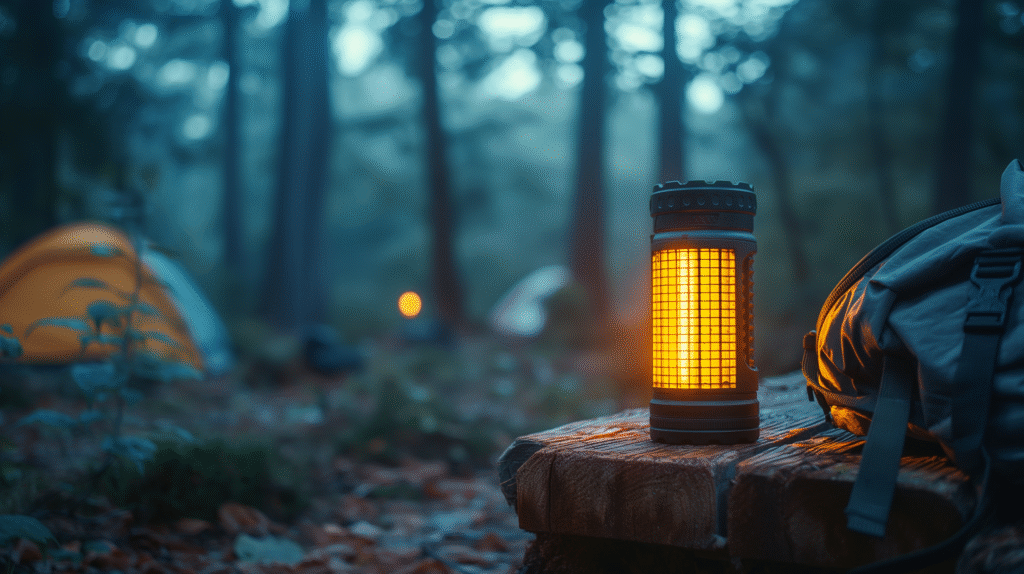
A solar flashlight is a portable light source powered by solar energy. It comes equipped with built-in solar panels that capture sunlight and convert it into electricity. The energy is then stored in a rechargeable battery, which powers the flashlight’s LED bulb when needed.
Some advanced models also feature:
- Hand-crank charging for cloudy days.
- USB charging options for added convenience.
- Multi-function designs with radios, power banks, or SOS signals.
How Do Solar Flashlights Work?
The science behind solar flashlights is simple yet effective:
- Solar Energy Collection: Photovoltaic (PV) cells on the flashlight capture sunlight.
- Energy Storage: The captured energy is stored in a rechargeable lithium-ion or NiMH battery.
- Light Emission: When switched on, the battery powers energy-efficient LED bulbs, providing bright, long-lasting illumination.
This process ensures that your flashlight is always ready to go—as long as it has access to light during the day.
Why Solar Flashlights Are a Must-Have
Let’s dive into the many reasons why solar-powered flashlights have become indispensable.
1. Reliable Emergency Lighting
Power outages can strike anytime—storms, natural disasters, or even local grid failures. With a solar flashlight:
- You don’t have to worry about running out of disposable batteries.
- A single day of charging can provide hours of light.
- Many models include SOS features for signaling during emergencies.
Having one in your home emergency kit ensures you’re never left in the dark.
2. Perfect for Outdoor Adventures
For campers, hikers, and adventurers, solar flashlights are game-changers. They:
- Charge during the day and provide reliable light at night.
- Eliminate the need to pack extra batteries.
- Often come with weatherproof and rugged designs for outdoor durability.
With one in your backpack, you’re prepared for overnight treks or unplanned delays on the trail.
3. Eco-Friendly and Sustainable
Solar flashlights rely on renewable energy, making them far more sustainable than traditional options. Benefits include:
- Reduced waste: No more tossing out disposable batteries.
- Lower carbon footprint: Clean, renewable solar energy instead of grid electricity.
- Long lifespan: LED bulbs and rechargeable batteries last for years.
By choosing a solar flashlight, you’re making a simple yet powerful step toward greener living.
4. Cost-Effective Solution
Although the upfront cost of solar flashlights may be slightly higher than traditional models, they quickly pay for themselves. Why?
- No recurring battery purchases.
- Free energy from the sun.
- Long-lasting LED bulbs mean fewer replacements.
In the long run, solar flashlights save money while offering unbeatable reliability.
5. Multi-Function Features
Today’s solar flashlights often go beyond basic illumination. Some models include:
- USB ports to charge smartphones or small devices.
- Built-in radios for weather updates.
- Hand-crank systems for backup charging.
- Lantern or floodlight modes for broader lighting needs.
These features make solar flashlights a versatile tool for both everyday use and emergencies.
Smart Uses for Solar Flashlights
Solar flashlights are more than just handy tools—they’re incredibly versatile. Here are some practical applications:
- At Home: Keep one in your emergency kit or use it during late-night power cuts.
- Camping: Light up your tent, cooking area, or trail without worrying about extra batteries.
- Travel: Carry a compact model for international trips where outlets may be scarce.
- Emergency Preparedness: Store one in your car, RV, or bug-out bag for roadside emergencies or disasters.
- Outdoor Work: Use solar flashlights for evening yard work, garage projects, or night shifts.
How to Choose the Best Solar Flashlight
When shopping for a solar flashlight, consider these key factors:
- Brightness (Lumens): Higher lumens mean brighter light.
- Battery Life: Look for models that offer 6–12 hours of runtime on a full charge.
- Charging Options: Some offer USB or hand-crank options in addition to solar.
- Durability: Water-resistant and impact-resistant models are ideal for outdoor use.
- Portability: Compact, lightweight designs are easier to carry.
Final Thoughts
Solar flashlights are no longer just gadgets—they’re essential tools for modern living. Whether you need reliable light during a power outage, want sustainable illumination on a camping trip, or simply wish to reduce your reliance on disposable batteries, these devices offer the perfect solution.
By harnessing the free, renewable energy of the sun, solar flashlights provide a sustainable, cost-effective, and dependable way to light your world. They’re compact, eco-friendly, and versatile enough to be useful in almost any situation—making them a must-have for every home, adventure, and emergency kit.
The next time you’re stocking up on gear for camping or preparing your household for emergencies, don’t overlook the value of a solar flashlight. With one in your hand, you’ll always be ready to light the way—anywhere, anytime.