
Home security has always been a top priority for homeowners, but traditional security systems often come with limitations: complex wiring, high electricity costs, and restricted placement options. Enter solar-powered security cameras—a game-changing solution that combines renewable energy with advanced surveillance technology.
These innovative cameras offer round-the-clock protection, even in remote areas without electricity, making them an ideal choice for modern households, cabins, farms, and businesses. In this article, we’ll explore why solar-powered security cameras are the future of home safety, their key benefits, and how they’re transforming the way we protect our homes.
What Are Solar-Powered Security Cameras?
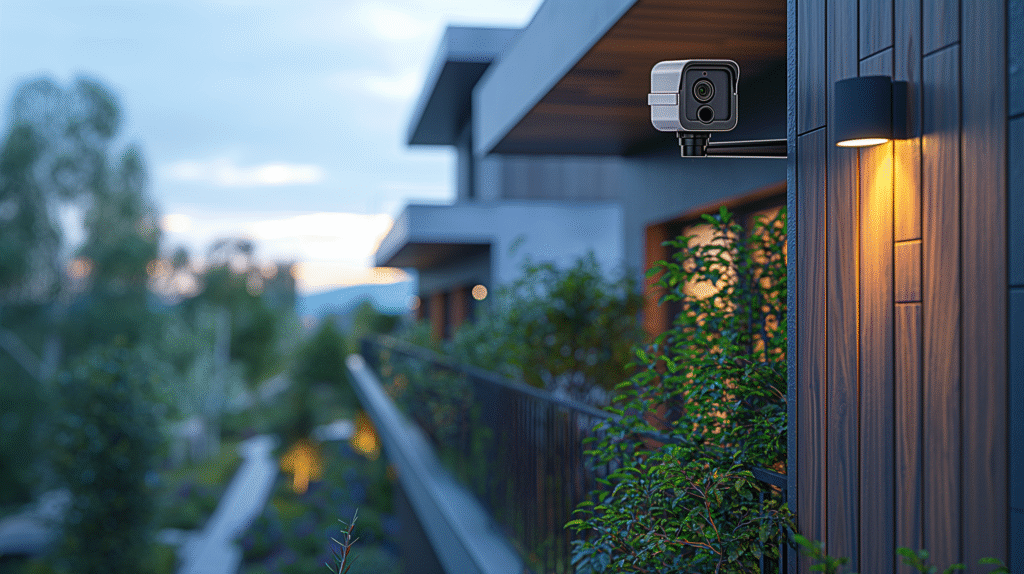
Solar-powered security cameras are surveillance devices equipped with solar panels that capture sunlight and convert it into electricity. This energy is stored in built-in rechargeable batteries, ensuring continuous operation day and night.
Key features include:
- Wireless installation – No need for electrical wiring or outlets.
- Battery backup – Keeps working during cloudy days and at night.
- Smart connectivity – Many models offer Wi-Fi or 4G LTE for remote monitoring.
- Eco-friendly operation – Runs entirely on renewable solar energy.
With their independence from the power grid, these cameras deliver flexible, cost-effective, and reliable security.
Why Solar-Powered Security Cameras Are the Future of Home Safety
1. Continuous Protection, Even During Power Outages
One of the biggest advantages of solar-powered security cameras is their uninterrupted operation. Traditional cameras rely on the power grid, which means outages can leave your home unprotected.
Solar-powered models use battery storage, keeping them active even when electricity goes out. This ensures your property is always monitored, no matter the circumstances.
2. Flexible and Easy Installation
Unlike wired systems that require professional installation and complex wiring, solar security cameras are wire-free and can be installed anywhere sunlight is available.
- Mount on walls, poles, or trees.
- Place in remote areas like farms, cabins, or construction sites.
- Relocate easily if your security needs change.
This flexibility makes them ideal for properties that lack access to electricity or where wiring is impractical.
3. Cost Savings Over Time
Traditional security systems can be expensive to install and maintain. Between professional setup, electrical usage, and wiring repairs, costs add up quickly.
Solar-powered cameras cut costs in three ways:
- No electricity bills – They generate their own energy.
- No wiring costs – DIY installation is fast and affordable.
- Low maintenance – Built with durable, weather-resistant components.
While the initial price may be slightly higher, solar-powered security cameras pay for themselves in long-term savings.
4. Eco-Friendly Home Security
For eco-conscious homeowners, solar-powered security cameras provide a green alternative to traditional surveillance systems. By using renewable energy, they reduce carbon emissions and reliance on fossil fuels.
Pairing eco-friendliness with cutting-edge technology means you’re protecting both your home and the planet.
5. Remote Monitoring and Smart Features
Most modern solar-powered security cameras come with smart features, allowing you to monitor your property in real-time through mobile apps.
Popular features include:
- HD video and night vision – Clear footage day and night.
- Two-way audio – Communicate with visitors or warn intruders.
- Motion detection alerts – Instant notifications to your smartphone.
- Cloud or local storage – Save video recordings for future reference.
This combination of renewable energy and smart tech ensures maximum convenience and peace of mind.
6. Reliable for Remote Locations
Solar-powered cameras are perfect for areas where traditional surveillance isn’t possible. Think:
- Vacation homes
- Off-grid cabins
- Farms and barns
- Construction sites
Since they don’t rely on grid power, these cameras provide reliable protection anywhere sunlight is available.
Tips for Choosing the Best Solar Security Camera
With many options on the market, here’s what to look for:
- Battery capacity – Ensure the camera offers at least 2–3 days of backup for cloudy weather.
- Video quality – Opt for 1080p HD or higher for clear images.
- Night vision range – Look for cameras with infrared or spotlight night vision.
- Connectivity – Choose Wi-Fi for homes, or 4G LTE models for remote areas without internet.
- Weatherproofing – Check for an IP65 or higher rating to withstand rain, dust, and snow.
- Smart features – Motion detection, mobile app support, and cloud storage enhance usability.
How to Maximize Performance
- Install in direct sunlight – Place panels facing south (in the northern hemisphere) for maximum charging.
- Clean regularly – Dust and debris on solar panels can reduce efficiency.
- Adjust camera angles – Position to cover entry points like doors, driveways, and windows.
- Use motion detection wisely – Customize sensitivity to avoid false alerts from pets or moving trees.
Final Thoughts
As technology advances, solar-powered security cameras are quickly becoming the future of home safety. They’re cost-effective, eco-friendly, and reliable—even in remote areas or during power outages.
By investing in solar-powered cameras, you’re not just upgrading your home security—you’re adopting a sustainable solution that protects both your property and the environment.
With their blend of renewable energy, smart features, and ease of use, it’s clear that solar-powered security cameras are more than a trend—they’re the new standard for home safety.