
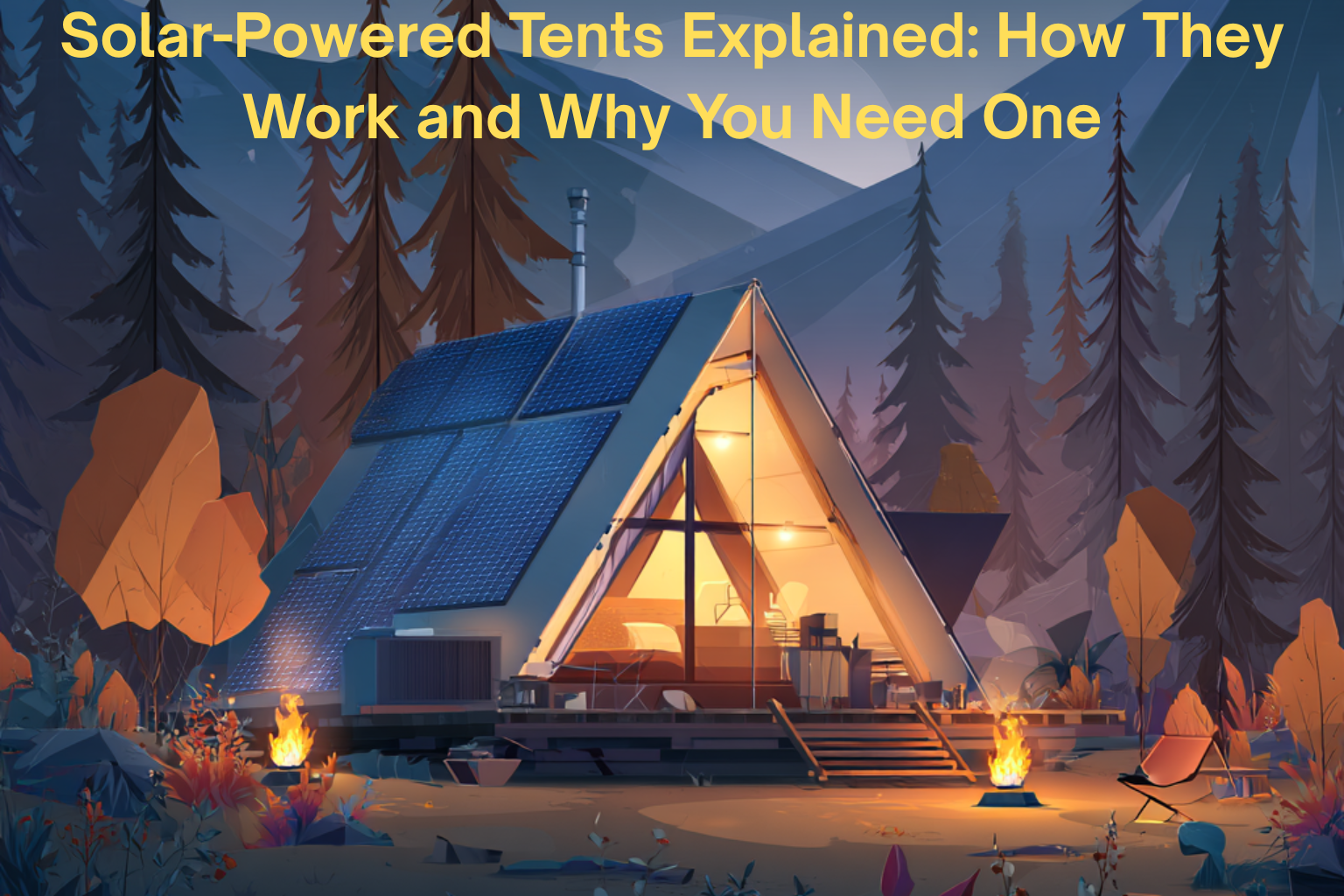
Camping has always been about simplicity—packing light, exploring nature, and disconnecting from the chaos of everyday life. But in today’s world, adventurers also want comfort, convenience, and safety, even when they’re miles away from the grid. That’s where solar-powered tents come in.
These innovative shelters combine traditional tent design with modern solar technology, giving you reliable access to renewable energy wherever your adventures take you. Whether you’re an off-grid camper, a festival-goer, or someone preparing for emergencies, a solar-powered tent could completely transform your outdoor experience.
In this article, we’ll break down how solar tents work and explore the top reasons why you should consider one for your next adventure.
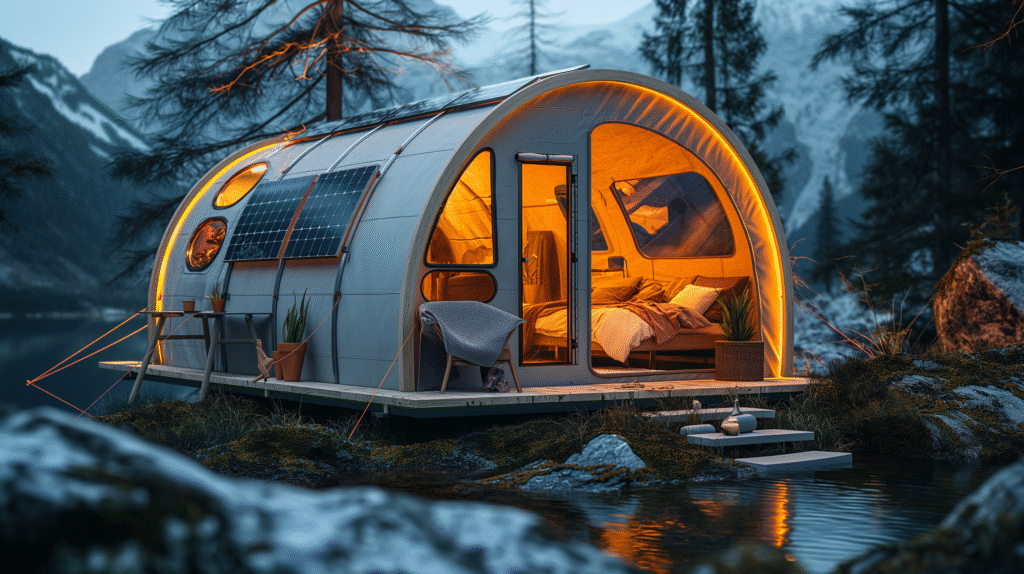
What Is a Solar-Powered Tent?
A solar-powered tent is a camping shelter equipped with solar panels that capture sunlight and convert it into electricity. This energy is typically stored in a built-in battery pack or power bank, which can then be used to charge small devices like smartphones, tablets, headlamps, or camping fans.
Depending on the model, some solar tents include:
- Integrated solar panels built directly into the tent fabric or roof.
- Detachable solar panels that can be positioned outside the tent for maximum sun exposure.
- USB charging ports for powering multiple devices.
- Built-in LED lighting systems for nighttime illumination.
The concept is simple but powerful: instead of relying on disposable batteries, gas generators, or finding an outlet, you use the free energy of the sun to stay powered up.
How Do Solar-Powered Tents Work?
The operation of a solar tent can be broken down into four key steps:
1. Solar Collection
Solar panels on the tent’s surface or nearby collect sunlight. High-quality panels are designed to capture as much energy as possible, even on cloudy days.
2. Energy Conversion
The panels use photovoltaic (PV) cells to convert sunlight into direct current (DC) electricity.
3. Energy Storage
This electricity is stored in a built-in battery or portable power station, ensuring you have power available at night or during overcast weather.
4. Power Use
You can plug in devices directly through USB ports or use the stored energy to run tent lighting, small appliances, or camping gear.
In short: sunlight goes in, electricity comes out—giving you a self-sufficient power source anywhere you pitch your tent.
Why You Need a Solar-Powered Tent
Now that you know how solar-powered tents function, let’s explore why they’re worth adding to your outdoor gear collection.
1. Stay Powered Off-Grid
One of the main benefits is the ability to stay connected. Whether you’re hiking, camping, or attending a festival, keeping devices like smartphones, GPS trackers, and cameras charged is essential. A solar tent gives you independence from the grid, letting you enjoy extended trips without worrying about dead batteries.
2. Eco-Friendly Energy Solution
Solar-powered tents eliminate the need for disposable batteries or noisy gas generators. They rely on clean, renewable energy, making your outdoor adventures environmentally sustainable. By choosing solar, you’re reducing waste and minimizing your carbon footprint.
3. Built-In Lighting for Comfort and Safety
Most solar tents include LED lighting powered by the sun, giving you dependable illumination at night. This is safer than using gas lanterns and more convenient than carrying extra flashlights. It also creates a cozy environment inside your tent, perfect for reading or relaxing after a long day outdoors.
4. Emergency Preparedness
Beyond camping, solar-powered tents are a lifesaver in emergencies. Power outages caused by storms, earthquakes, or other disasters can leave you without electricity. A solar tent provides both shelter and backup power, ensuring you can charge phones, power radios, and use lights when you need them most.
5. Cost-Effective in the Long Run
Although solar-powered tents are typically more expensive upfront than traditional tents, they save you money over time. You won’t need to constantly buy batteries or fuel, and the sun’s energy is free. For frequent campers, this investment quickly pays for itself.
Who Should Use a Solar-Powered Tent?
Solar tents are perfect for:
- Hikers and campers who spend days or weeks off-grid.
- Digital nomads who work remotely and need portable energy.
- Festival-goers looking for sustainable ways to stay charged.
- Families who want a safe and convenient camping setup.
- Emergency preppers seeking backup shelter with built-in power.
In short, if you want energy independence outdoors, a solar tent is a smart choice.
Tips for Choosing the Right Solar-Powered Tent
If you’re considering buying one, here’s what to keep in mind:
- Solar panel efficiency: Look for tents with high-efficiency PV panels.
- Battery capacity: Ensure the tent has enough storage to last through the night.
- Portability: If you’re backpacking, lightweight and foldable panels are a must.
- Durability: Waterproof and UV-resistant materials ensure long-lasting use.
- Charging options: Multiple USB ports and DC outputs give you flexibility.
- Tent capacity: Choose a size that fits your camping group.
Final Thoughts
A solar-powered tent is more than just shelter—it’s a portable energy hub that combines convenience, sustainability, and safety. By harnessing the power of the sun, these tents let you stay connected, well-lit, and comfortable, even in the most remote locations.
From eco-friendly camping to emergency preparedness, the benefits of solar tents make them a smart investment for modern adventurers. If you’re looking to upgrade your outdoor experience, it’s time to consider switching to a solar-powered tent—because the future of camping is bright, sustainable, and powered by the sun.