
In today’s fast-paced world, technology is no longer just about performance—it’s about convenience, sustainability, and style. From smartwatches that monitor your health to headphones that provide wireless freedom, wearables have become an essential part of daily life. But one challenge has always stood in the way: battery life. Enter solar-powered wearables—a revolutionary innovation that blends renewable energy with modern fashion and technology.
In this article, we’ll explore how solar-powered wearables work, why they’re rising in popularity, and why they represent the future of both tech innovation and fashion design.
What Are Solar-Powered Wearables?
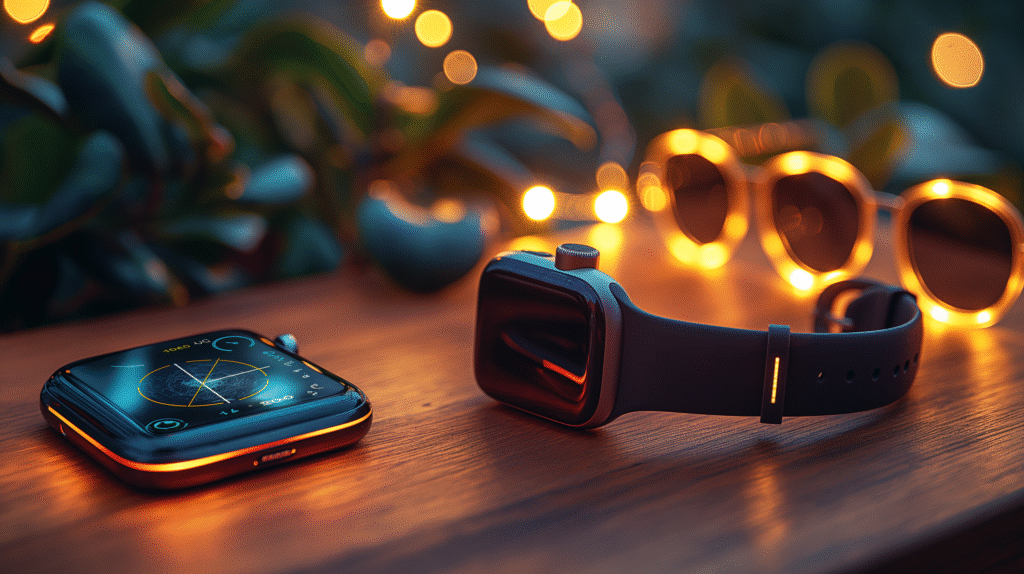
Solar-powered wearables are electronic accessories that integrate solar panels into their design, allowing them to recharge using sunlight or indoor light. These include:
- Smartwatches and fitness bands with solar charging.
- Smart glasses with solar-powered lenses and electronics.
- Headphones and earbuds with integrated solar strips.
- Clothing and fashion accessories that use flexible solar fabric to power devices.
By combining functionality, aesthetics, and eco-friendliness, solar-powered wearables are transforming how we use and view technology.
How Do They Work?
Solar-powered wearables rely on thin-film photovoltaic cells—lightweight, flexible solar panels that capture energy from the sun or artificial light.
- Light Absorption – The solar panels absorb sunlight or ambient light.
- Energy Conversion – Photovoltaic cells convert light into electricity.
- Battery Storage – The energy is stored in built-in rechargeable batteries.
- Device Powering – Wearables draw energy from the stored power to run continuously.
This innovation means less time tethered to charging cables and more time enjoying a truly wireless lifestyle.
Why Solar-Powered Wearables Are Trending
1. The Demand for Longer Battery Life
Nobody likes recharging their smartwatch daily or worrying about headphones running out of power mid-commute. Solar charging extends battery life and, in some cases, makes wearables virtually self-sustaining.
2. Sustainability Is in Style
Today’s consumers want tech that’s eco-friendly. By using renewable energy, solar wearables reduce dependence on electricity and disposable batteries, aligning perfectly with sustainable living trends.
3. Blending Fashion and Functionality
Wearables are more than just gadgets—they’re accessories people wear every day. Designers are now integrating solar panels seamlessly into products, ensuring style isn’t sacrificed for performance.
4. Off-Grid Convenience
For travelers, hikers, and outdoor enthusiasts, solar wearables offer true freedom. With no need to carry chargers, these devices provide reliability even in remote areas.
Examples of Solar-Powered Wearables
- Solar Smartwatches – Brands like Garmin and Casio already offer solar-powered watches that extend battery life for weeks.
- Solar-Powered Glasses – Smart eyewear can recharge using discreet solar panels embedded in the lenses or frames.
- Solar Headphones – Companies are experimenting with solar-powered headphones that charge as you walk outdoors.
- Solar Clothing – Jackets, backpacks, and accessories are being designed with flexible solar fabrics to charge not just wearables, but even smartphones.
The Future of Tech Meets Fashion
Solar-powered wearables aren’t just about power efficiency—they’re about merging sustainability with style. Imagine:
- Smart jewelry that charges itself under the sun.
- Fashion-forward sunglasses that double as solar panels for powering built-in audio.
- Solar-powered fitness bands that never need to be removed for charging.
This fusion of tech and fashion means the future of wearables isn’t just practical—it’s stylish, expressive, and eco-conscious.
Benefits of Solar-Powered Wearables
1. Extended Battery Life
With solar charging, wearables last much longer between charges, reducing downtime and improving convenience.
2. Eco-Friendly Power
By harnessing renewable solar energy, these devices help reduce energy consumption and reliance on disposable batteries.
3. Stylish and Functional
Solar panels are becoming sleek and flexible, making them easy to integrate into fashion-forward designs.
4. Ideal for Travelers and Outdoor Enthusiasts
Perfect for hiking, camping, or simply being on the go—no outlets required.
5. Cost-Effective Over Time
While the initial purchase may be higher, the reduced charging needs and long-lasting durability make them economical in the long run.
Challenges and Innovations Ahead
Like any emerging technology, solar-powered wearables face a few challenges:
- Limited Charging Indoors – They perform best under direct sunlight.
- Design Constraints – Panels must blend seamlessly with fashion.
- Cost of Innovation – Advanced materials and solar cells raise prices.
However, as solar technology becomes more efficient and fashion-tech collaborations grow, these barriers are quickly being overcome. Expect to see sleeker, more affordable, and more powerful designs in the near future.
Conclusion
The future of wearables is bright—literally. Solar-powered wearables are not only solving the age-old problem of short battery life but also paving the way for eco-friendly fashion and sustainable technology.
- For tech lovers, they bring convenience and performance.
- For eco-conscious consumers, they reduce environmental impact.
- For fashion enthusiasts, they represent the perfect blend of style and innovation.
As demand grows for smarter, greener, and more stylish devices, solar-powered wearables are set to become a mainstream trend in the years ahead. With their unique ability to combine power, sustainability, and style, they truly are the future of tech and fashion.